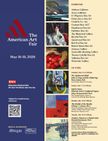
The nation’s only fair dedicated solely to historic American art returns to Bohemian National Hall in New York City this May for three days of exceptional 19th- and 20th-century artwork. Now in its 19th year, the American Art Fair will highlight hundreds of works by nonliving American artists across a roster of 18 galleries that are each experts in their respective fields, from Hudson River School works to post-war abstraction. Attendees and discerning collectors will be able to explore phenomenal Sargents, Bierstadts, Prendergasts, Bentons, Chases, all three Wyeths and much more.
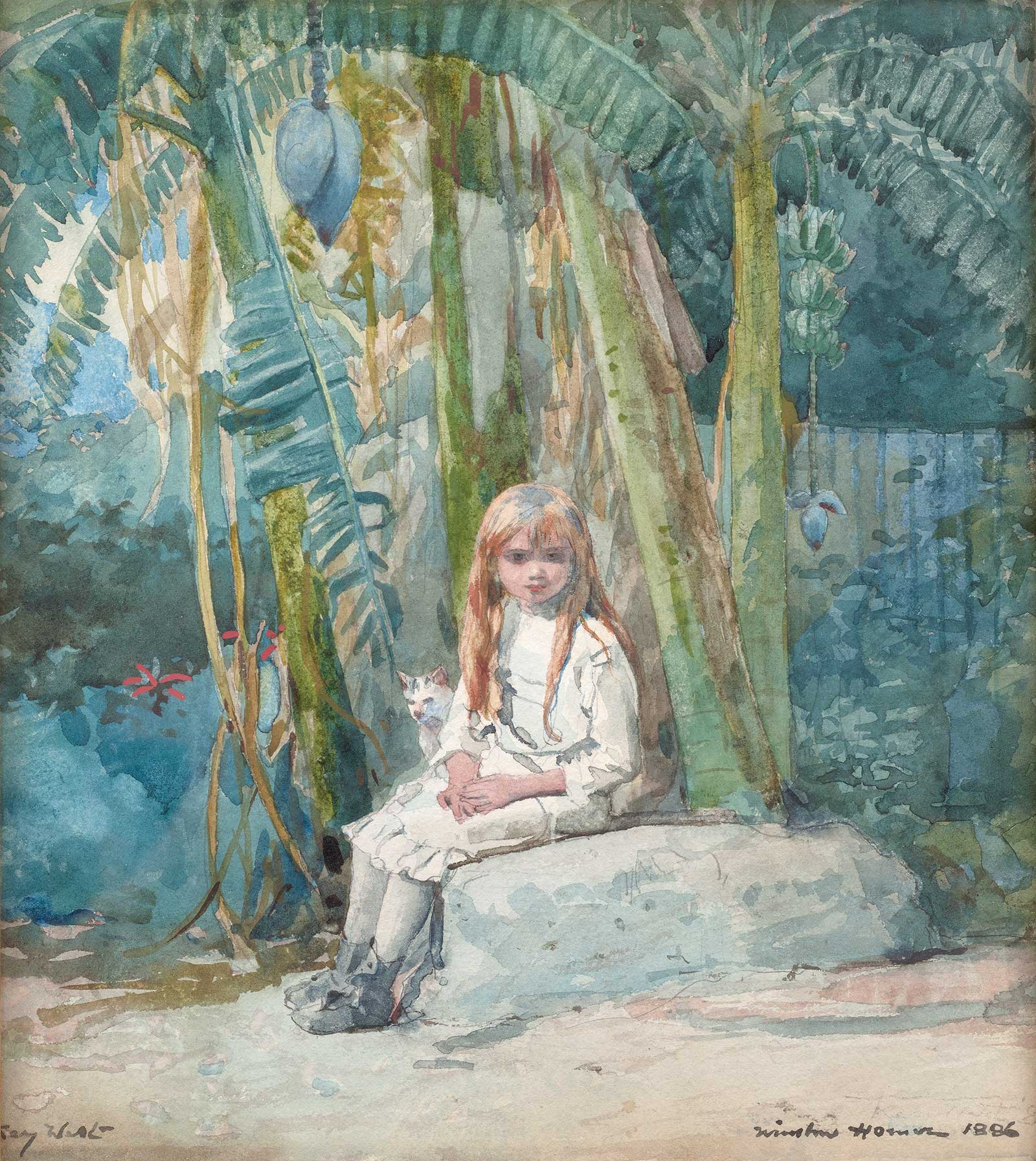
Winslow Homer (1836-1910), The Light-Keeper’s Daughter, 1886. Watercolor, pencil and gouache on paper, 135/8 x 127/8 in. Courtesy Debra Force Fine Art, New York, NY.
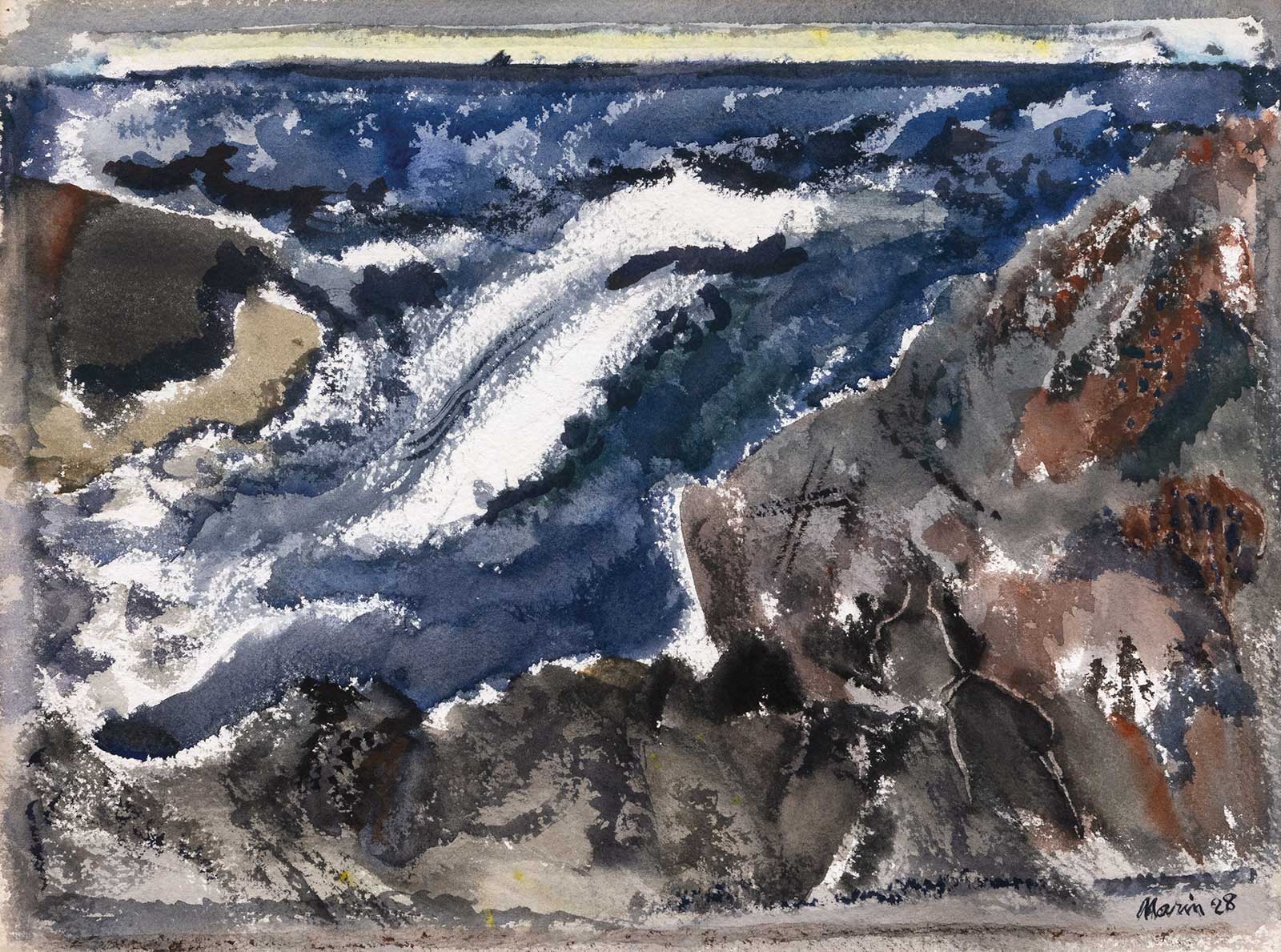
John Marin (1870-1953), Sea Piece, Small Point, Maine Series #19, 1928. Watercolor on paper, 147/8 x 19¼ in. Courtesy Debra Force Fine Art, New York, NY.
Manhattan-based Debra Force Fine Art will be exhibiting two particularly noteworthy pieces during the 2026 fair: Winslow Homer’s 1886 The Light-Keeper’s Daughter, painted in watercolor, gouache and pencil, as well as John Marin’s 1928 watercolor Sea Piece, Small Point, Maine Series #19.
“The Light-Keeper’s Daughter was done during Homer’s first trip to Florida. He completed eleven watercolors during this visit, and most are landscapes with a focus on the foliage of the area or the waterways around Tampa and the Everglades, where he spent most of his time. This piece stands out among the group because of the Key West locale and the figurative subject. It was most likely the artist’s submission to the American Watercolor Society’s Annual Exhibition of 1887 as Sketch in Key West,” the gallery notes. “John Marin first visited Maine in 1914 and returned for summers and falls for the rest of his life. In Sea Piece, Small Point, Maine, the artist uses a plethora of blues to capture the swirling waves of the Atlantic. The high horizon line and large, block-like rocks of the shoreline result in a layered composition that combines elements of abstraction and realism, imbuing the work with a sense of energy and motion.”
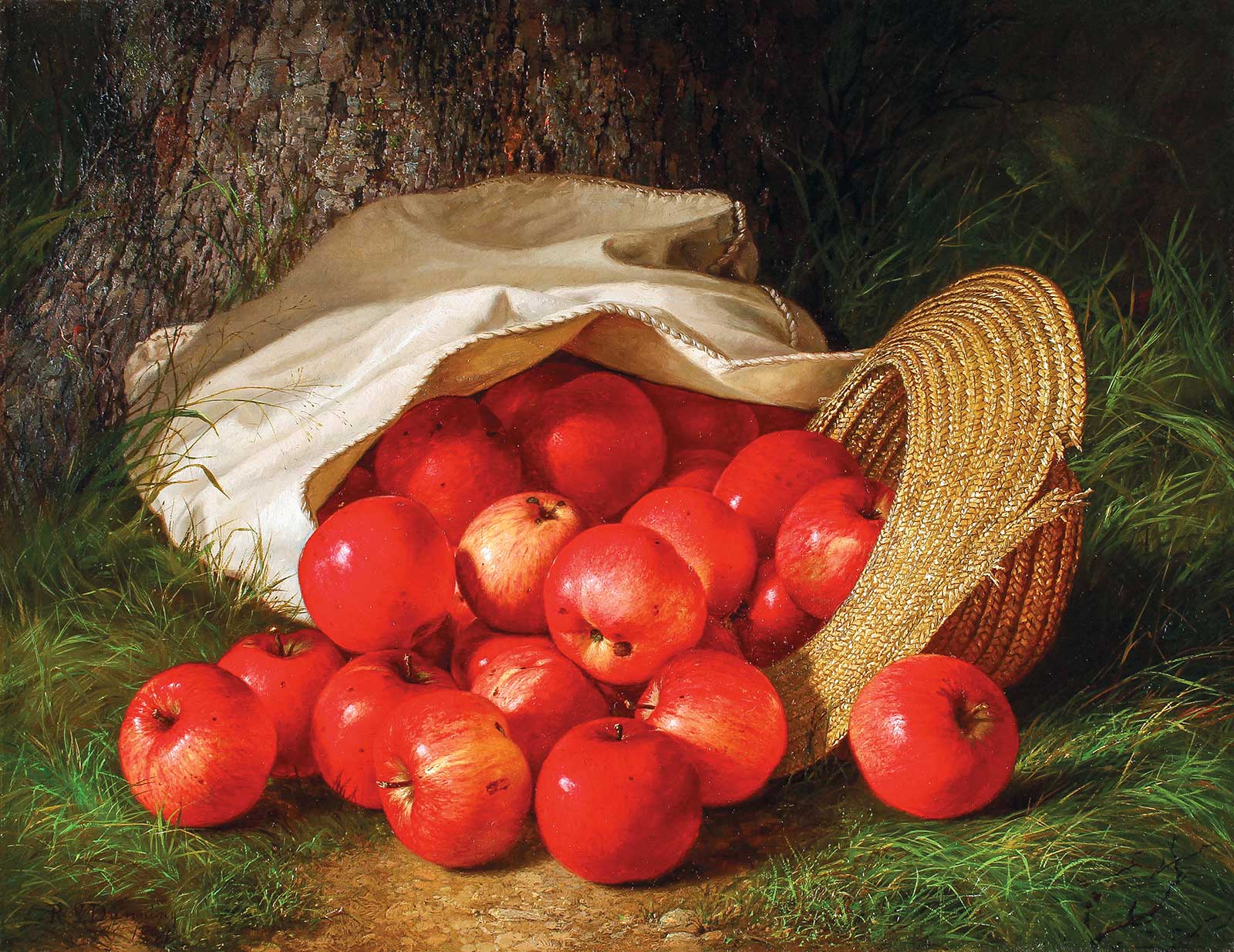
Robert Spear Dunning (1829-1905), Autumn’s Bounty (Apples), 1869. Oil on canvas, 19¾ x 25¼ in., signed, dated lower left: ‘R. S. Dunning / 1869’. Courtesy Godel & Co., Bedford NY.
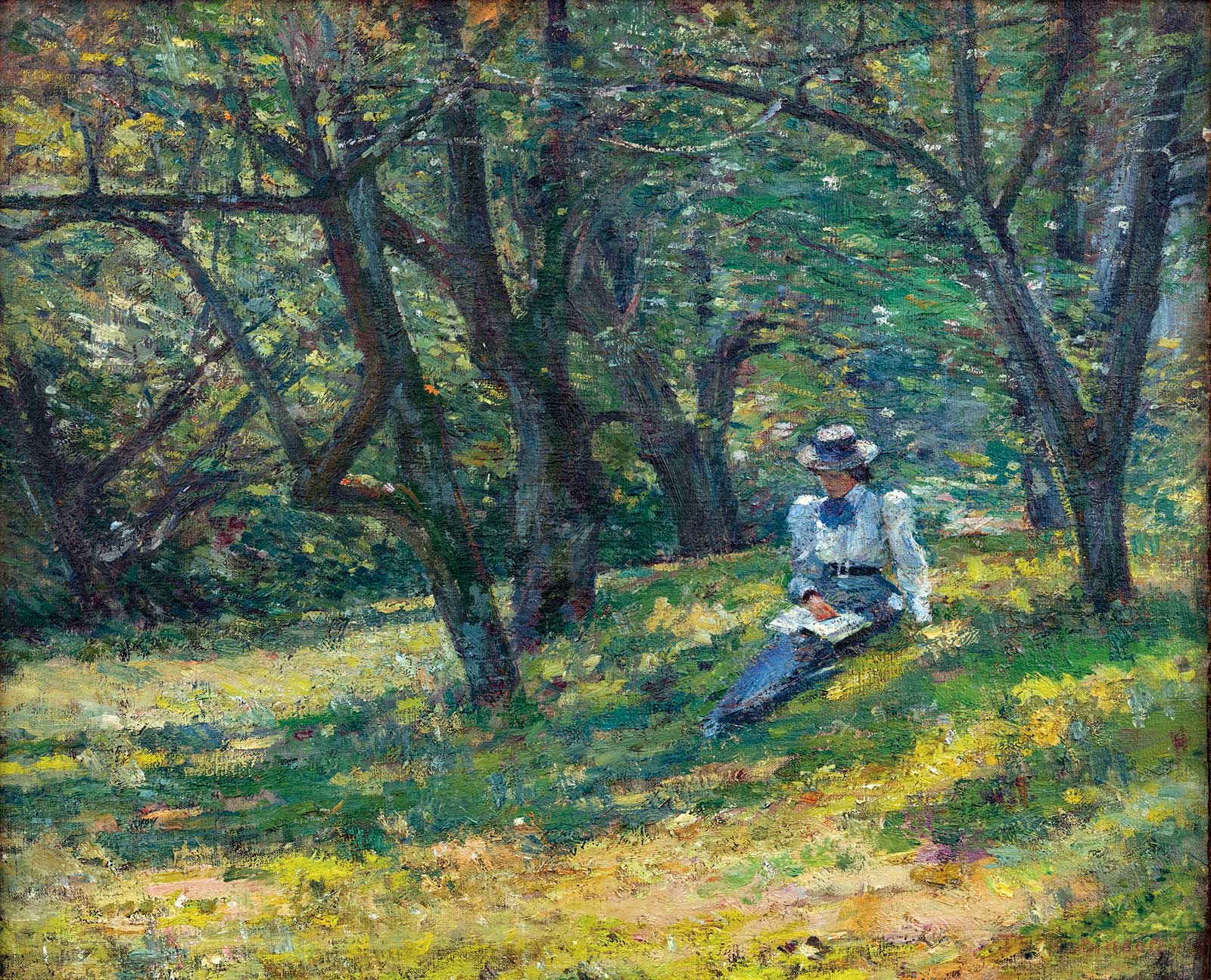
Theodore Robinson (1852-1896), In the Orchard, 1895. Oil on canvas, 18 x 22 in., signed lower right: ‘Th. Robinson’. Courtesy Godel & Co., Bedford NY.
The Godel & Co. booth will feature works by leading 19th- and early 20th-century American artists. One highlight of the booth will be Robert Spear Dunning’s Autumn’s Bounty, in which the artist departs from his opulent tabletop arrangements of fruit and flowers and restores the fruit to a natural setting, tumbling out of a bag into a tattered straw hat. The composition can be read as a commentary on the contrast between wealth and poverty. Godel & Co. will also feature an important work by the leading American impressionist Theodore Robinson titled In the Orchard. Dating from 1895 when the artist had returned from Giverny to his ancestral roots of rural Vermont, it shows a young woman absorbed in her book, and unaware of the viewer. Her isolation brings a quiet serenity and intimacy to the scene.
At Hawthorne Fine Art’s booth, collectors can dive into the works of portraitist Lydia Field Emmet and impressionist painter Martha Walter. “Emmet and Walter were both students of William Merritt Chase, and both studied in Paris,” shares the gallery. “Both artists were highly skilled in watercolor and oils. Their work, however, is a study in contrasts, revealing the diverse range in palette, subject matter and skill achieved by historic women artists.”
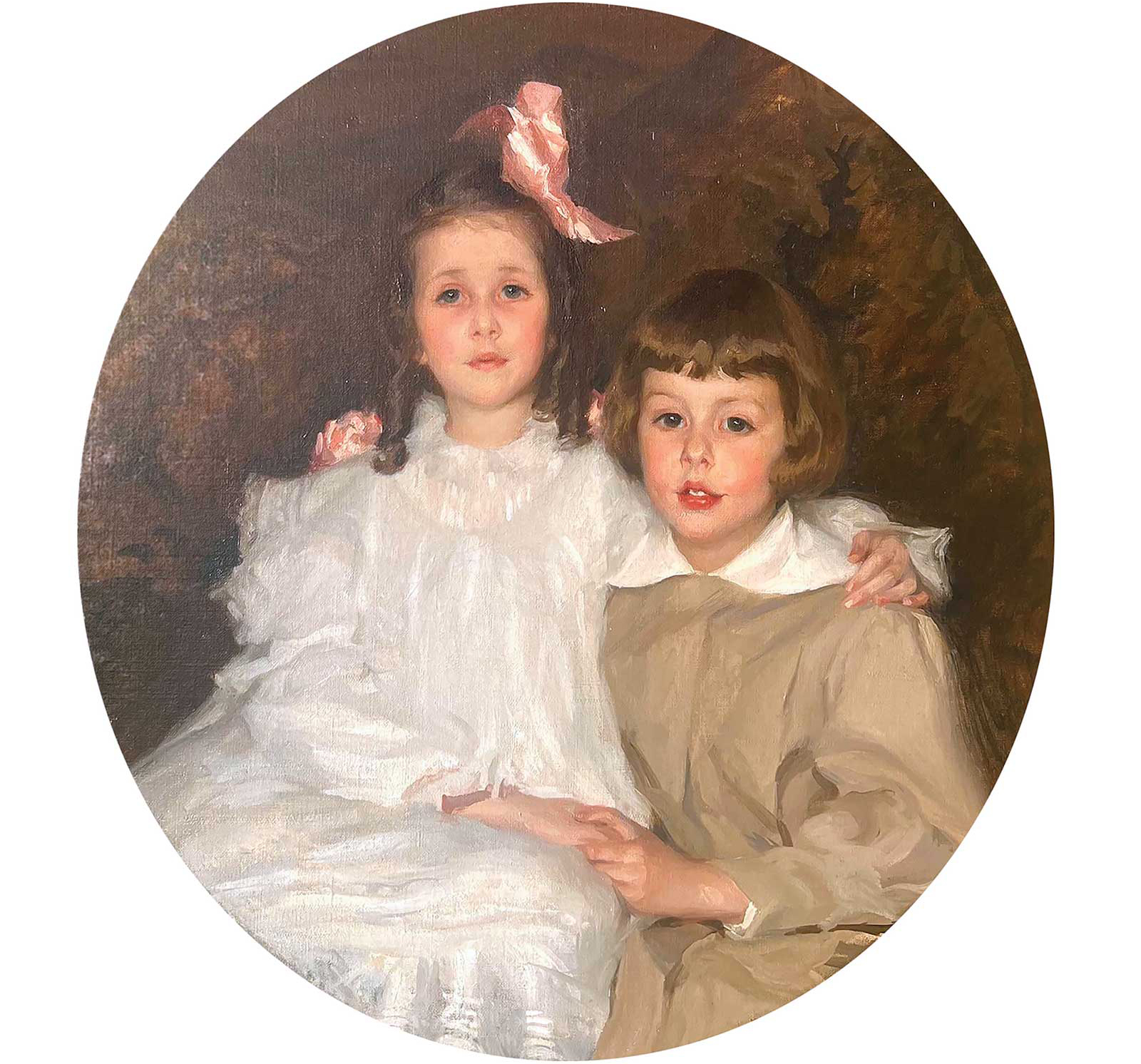
Lydia Field Emmet (1866-1952), Portrait of Elizabeth and Herbert Turner. Oil on canvas, 37 x 34½ in., signed lower left. Exhibited: New York, William Clausen Gallery, January 1907. Courtesy Hawthorne Fine Art, New York, NY.
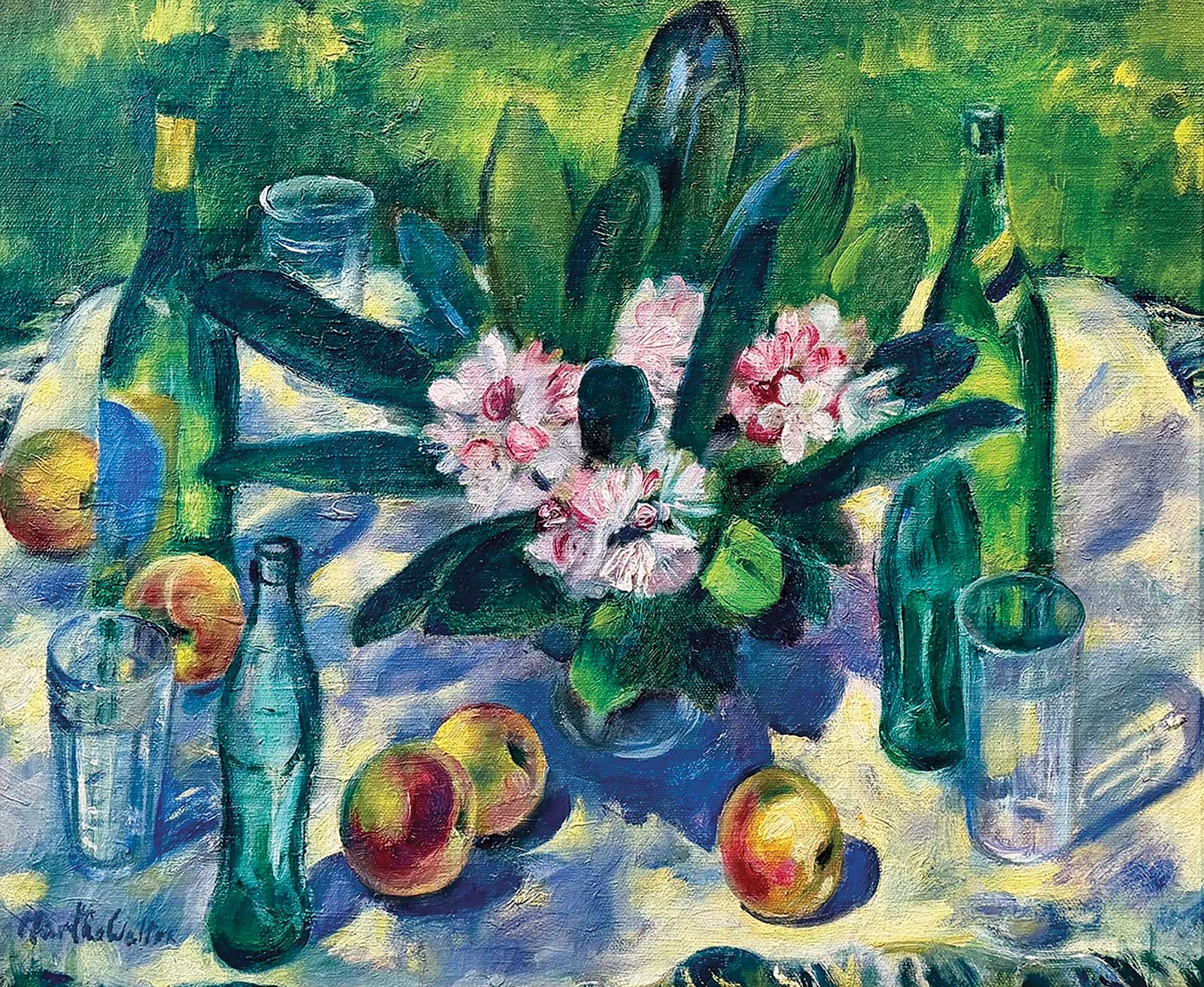
Martha Walter (1875-1976), Refreshment in the Garden. Oil on canvas, 19¼ x 23½ in. (sight), signed lower left. Courtesy Hawthorne Fine Art, New York, NY.
Helicline Fine Art will present a dynamic selection of historic American paintings, drawings and sculptures at this year’s fair, including Communications Building Study for 1939 World’s Fair, an oil and tempera by Eugene Savage, coming from the gallery’s remarkable 1,000-piece collection of art and objects from the 1939 World’s Fair. Founded in 2008 by Keith Sherman and Roy Goldberg, Helicline Fine Art focuses on American and European modernism, with particular emphasis on the Works Progress Administration (WPA) era of the 1930s and 1940s, a defining period in which American art became a public trust. The gallery will also feature works by Thomas Hart Benton, Cecil Bell, Charles Burchfield and William Zorach, among others, at this year’s American Art Fair.
Collector and dealer Vincent Vallarino of Vallarino Fine Art will be bringing works by some of the most important figures in 20th-century American art. Among these is a mid-1950s watercolor and gouache by Milton Avery titled Pool Player, as well as an untitled ink on paper from 1969 by Alexander Calder.
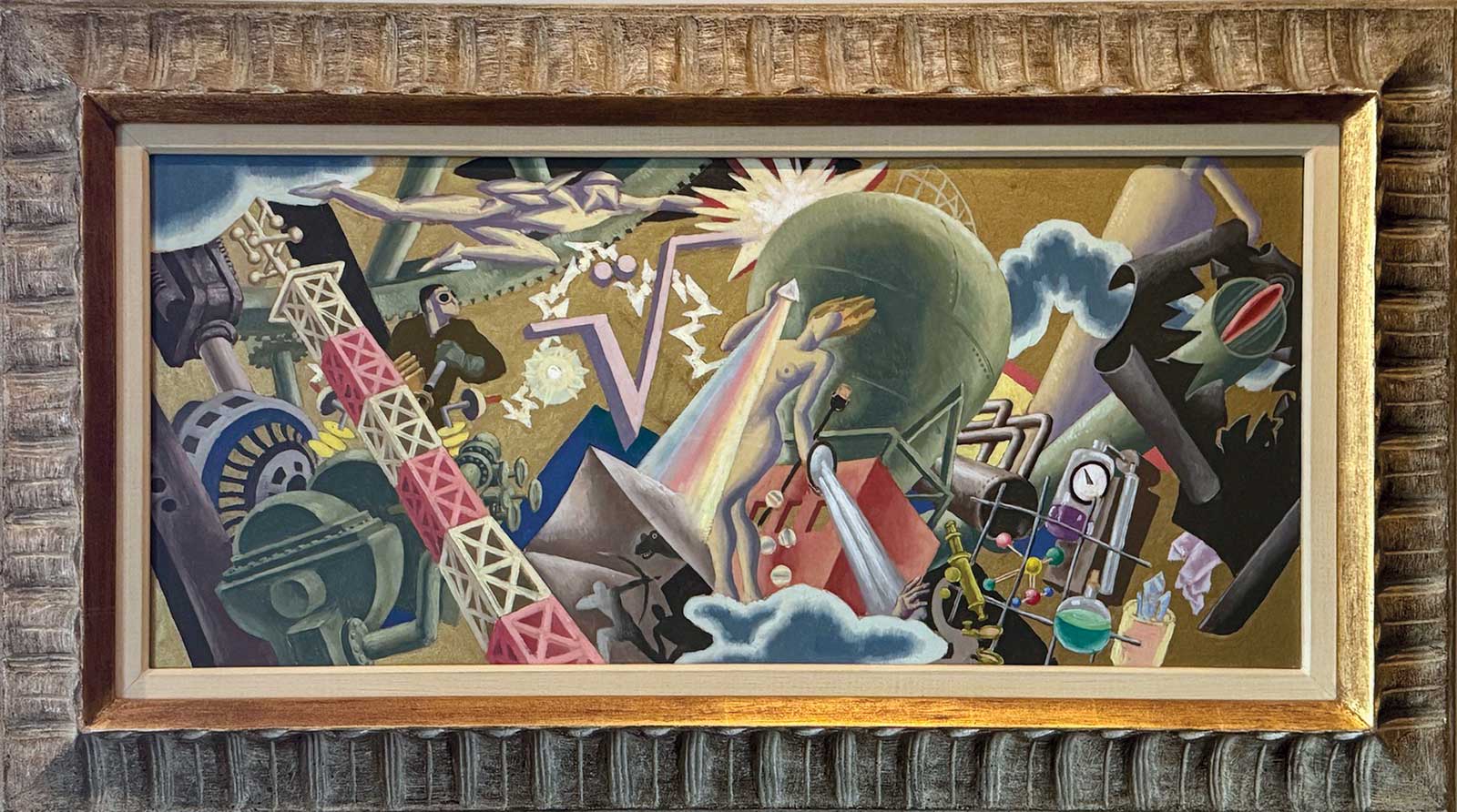
Eugene Savage (1883-1978), Communications Building Study for 1939 World’s Fair. Oil and tempera on board, 13¼ x 30 in., signed verso. Courtesy Helicline Fine Art, New York, NY.
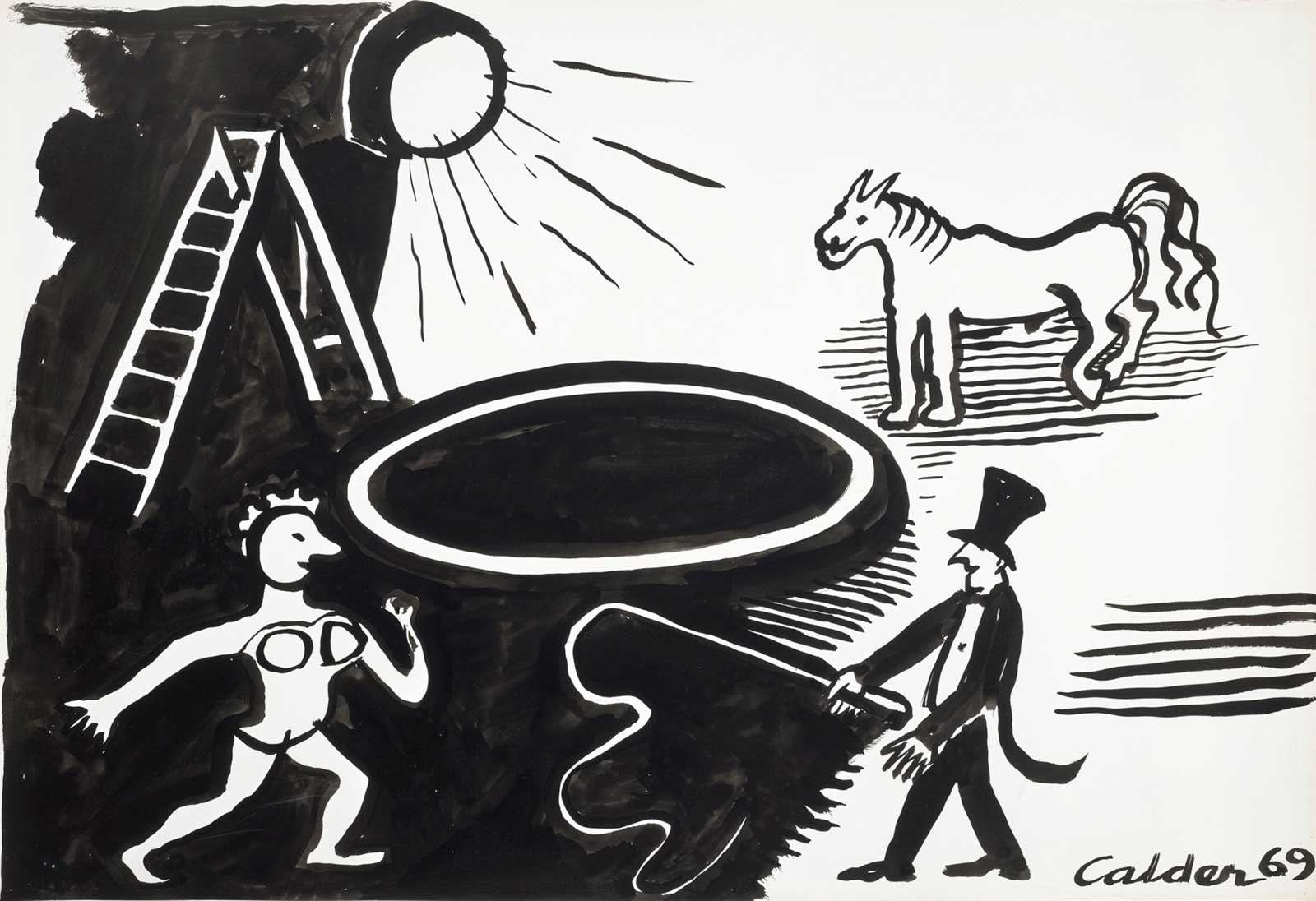
Alexander Calder (1898-1976), Untitled, 1969. Ink on paper, 29½ x 43 in., signed and dated lower right/ Provenance: The Estate of the Artist, PaceWildenstein, New York to Private Collection, NY, 2003. This work is registered in the archives of the Calder Foundation, New York, under application number A19873. Courtesy Vallarino Fine Art, New York, NY.
“[Each artist] transforms everyday experience into a distinct visual language,” notes Vallarino. “Calder’s ink drawing evokes the playful spirit of his legendary Circus, first created in 1926 and still celebrated a century later. Through bold black forms and whimsical figures, Calder channels the imagination and performance that defined his work, from intimate drawings to the revolutionary mobiles that reshaped modern sculpture. Avery captures a quieter moment of recreation in Pool Player. Known for transforming ordinary scenes into harmonies of color and simplified form, Avery often returned to the theme of billiards, reflecting a personal pastime. Together, these works highlight how Calder and Avery—each in his own language—helped redefine modern American art: one through movement and playful invention, the other through luminous color and poetic simplicity.”
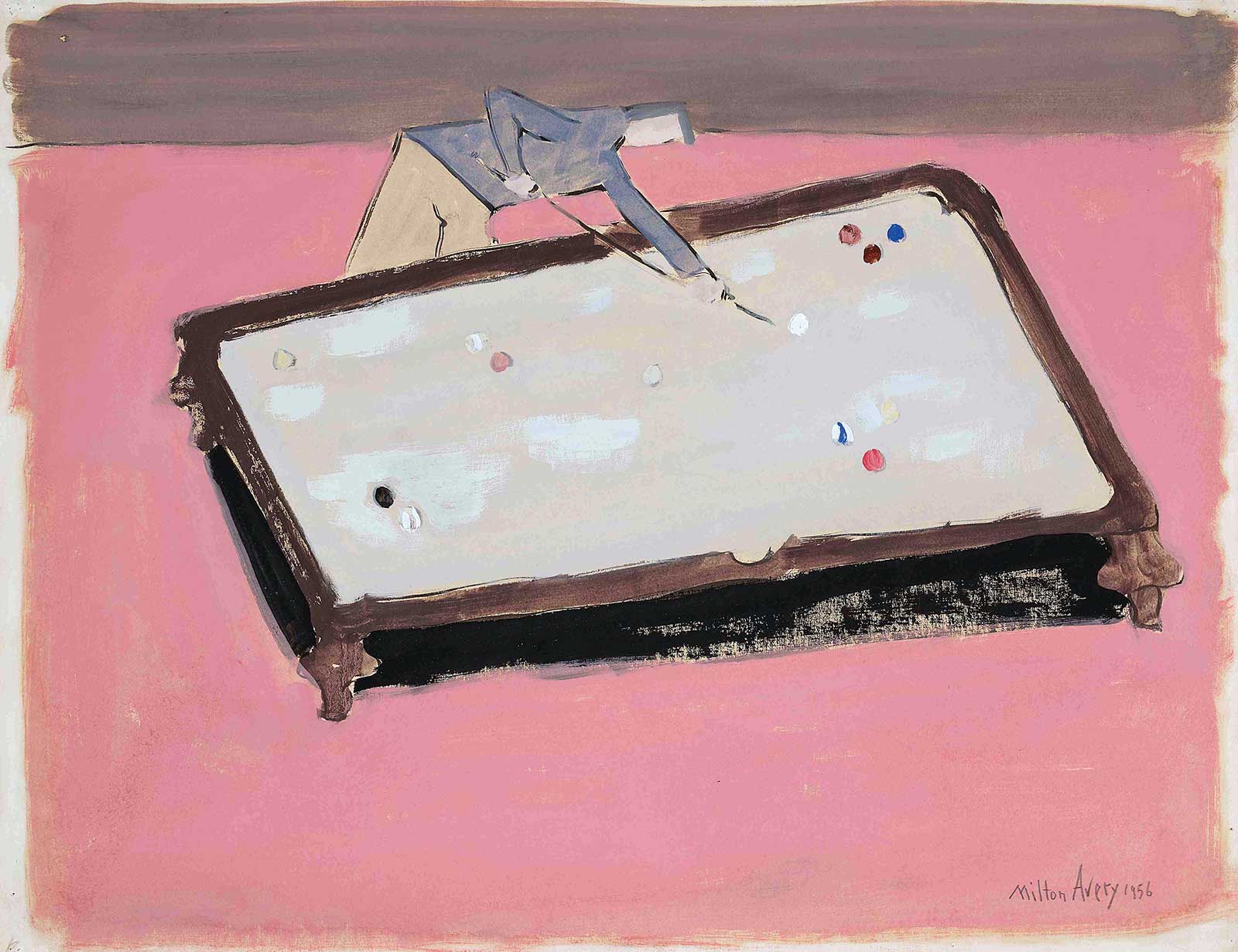
Milton Avery (1885-1965), Pool Player, 1956. Watercolor and gouache on paper, 20 x 26 in., signed and dated lower right. Provenance: HCE Gallery, Provincetown, Massachusetts. Private Collection, Baltimore (acquired from the above in 1965). The Estate of Philip and Lois Macht, Baltimore. Courtesy Vallarino Fine Art, New York, NY.
A number of lectures will be held throughout the duration of the fair, including “The Opalescent Mind: John La Farge and the Gilded Age” on Saturday, May 16, at 2 p.m., and “Said in Stone: Edmonia Lewis’s Sculptural Legacy” on Sunday, May 17, at 2 p.m. For a complete lecture schedule and exhibitor list, visit the fair’s website.
The American Art Fair takes place at Bohemian National Hall from May 16 to 19, starting at noon each day. More than 400 works will be on display. —
Powered by Froala Editor