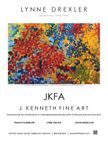
A new exhibition at J. Kenneth Fine Art in Shelburne, Vermont, tells the story of three extraordinary women who were part of the abstract expressionist movement in New York City during the 1950s and 1960s. AbEx Voices: Women of Abstract Expressionism showcases the work of Lynne Drexler, Frances Kornbluth and Judith Lindbloom, artists who struggled to varying degrees to claim their rightful place within the era’s male-dominated art world.
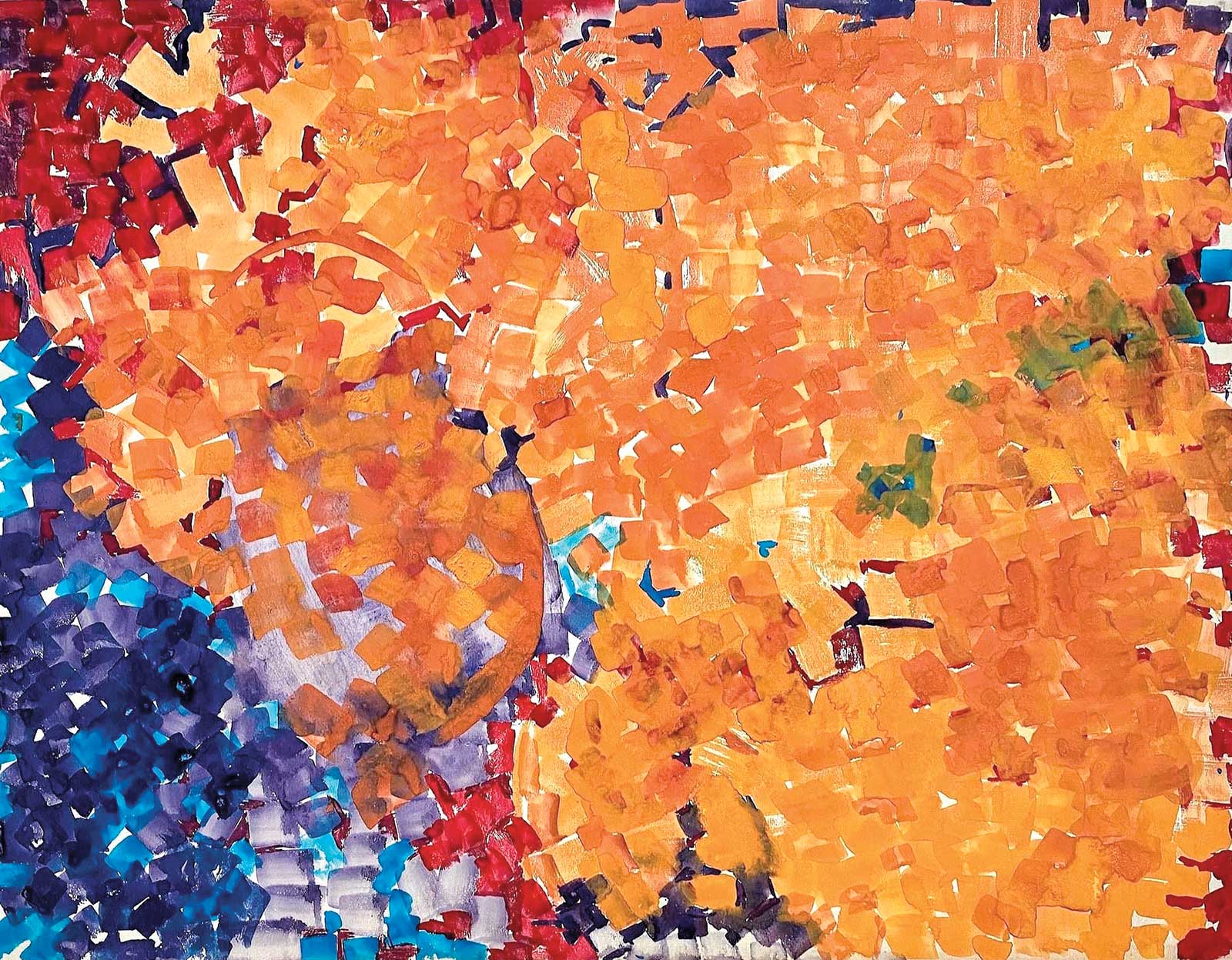
Lynne Drexler (1928-1999), Untitled, 1959. Gouache on paper, 19 x 24½ in.
Gallerist John Alexander represents the estates of Kornbluth and Lindbloom, as well as that of Drexler’s from 2015 to 2021, allowing him to exhibit a wide swath of works by the artists spanning the 1950s to the 1980s. The exhibition, featuring at least 20 paintings, runs from May 1 through July 1, with a reception on June 19 from 5 to 7 p.m.
Although there is no evidence to support that Drexler, Kornbluth and Lindbloom knew each other during their time in New York, their stories overlap in intriguing ways. Lindbloom (1933-2016) was the first to move to Manhattan in 1953. Through her partner Gloria Granger, Lindbloom was introduced to artists like Joan Mitchell, Willem de Kooning, John Chamberlain and Franz Kline.
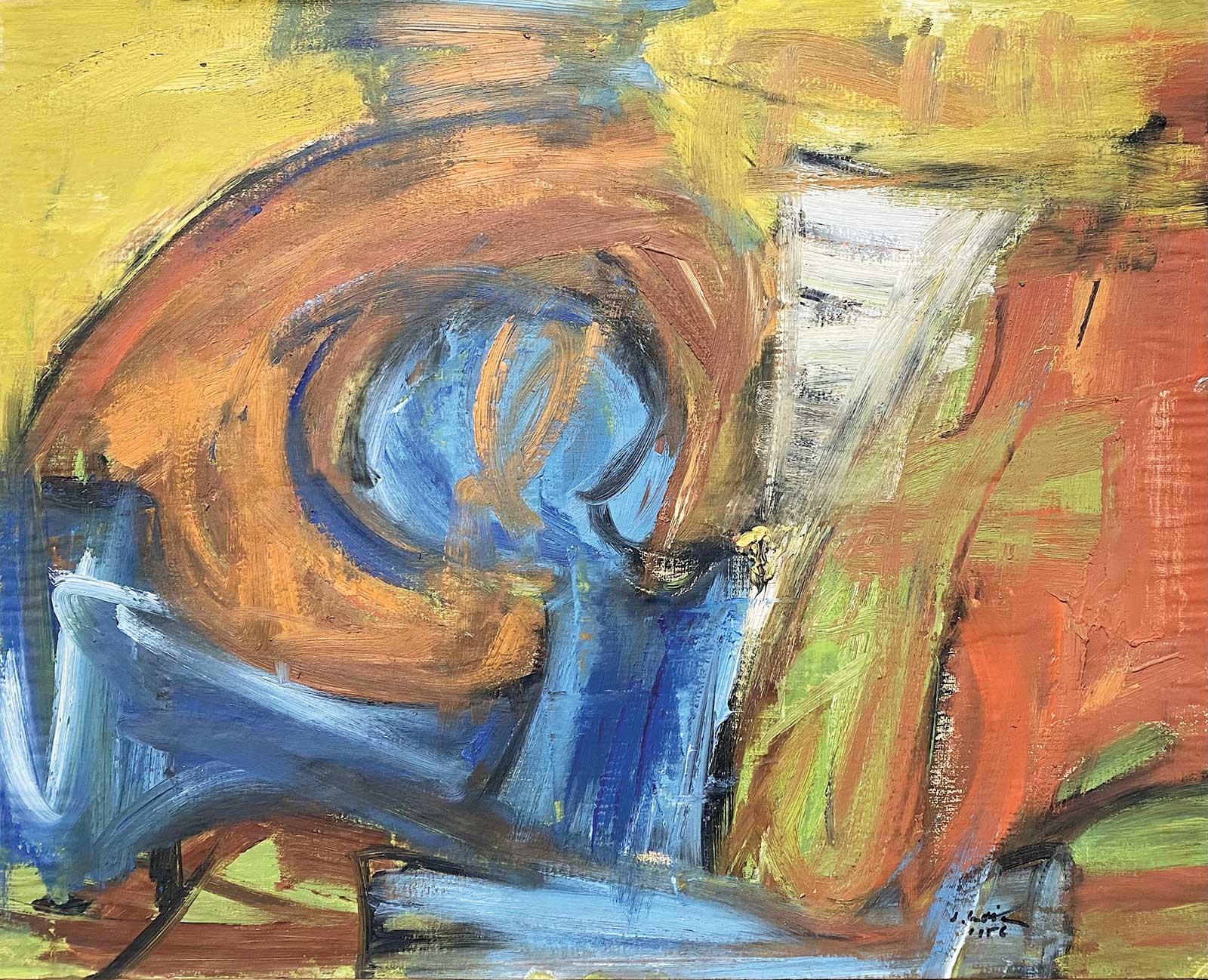
Judith Lindbloom (1933-2016), Untitled, 1956. Oil on panel, 16 x 20 in.
Drexler (1928-1999) arrived two years later in 1955, and studied under Hans Hofmann and Robert Motherwell. That same year, Kornbluth (1920-2014) enrolled in the Brooklyn Museum of Art School where her mentor-teachers were William Kienbusch and Reuben Tam.
Lindbloom fully immersed herself in the creative milieu of 1950s New York. She was well known in jazz circles and Gil Evans and Sonny Rollins were admirers of her work which most closely aligned with the principles of abstract expressionism.
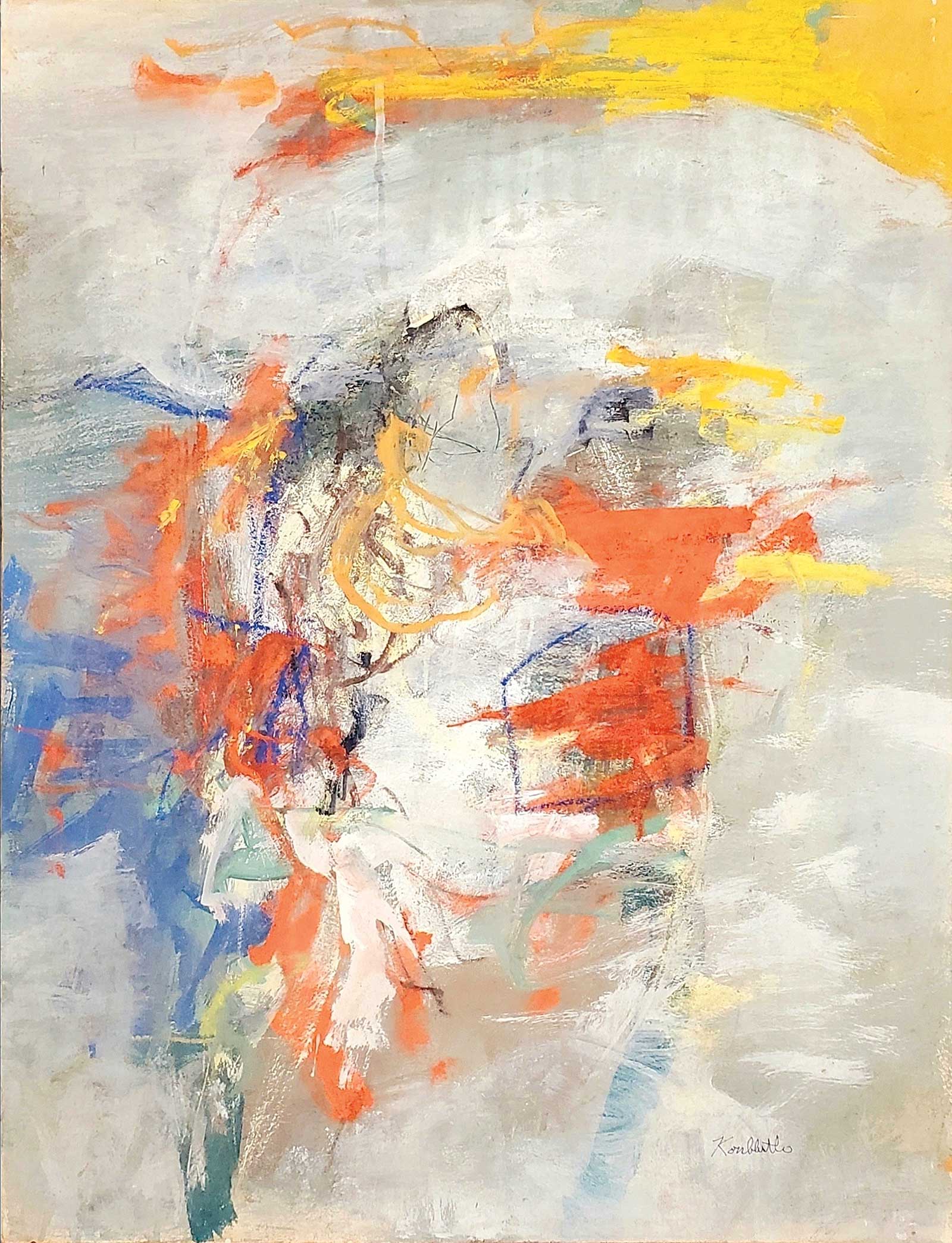
Frances Kornbluth (1920-2014), Untitled, ca.1958. Oil on panel, 26¼ x 20 in.
“The art scene at the time had well-known haunts, such as the Cedar Tavern and the Club,” explains Alexander. “This was a very social world where avant garde artists and writers would regularly meet, such as Willem de Kooning, Jackson Pollock, Franz Kline and Grace Hartigan. Both Drexler and Lindbloom were also frequent visitors. Lindbloom was also devotee of the legendary Five Spot jazz club.”
Unfortunately, the death of Granger, substance abuse and subsequent institutionalization led to a 20-year hiatus in Lindbloom’s painting career that lasted until 1980, when she entered a second period of flourishing creativity. “Lindbloom’s story reflects both the challenges and accomplishments of being a female artist in the male-dominated art scene of New York in the 1950s, as well as being an out lesbian, second-wave feminist and progressive left advocate throughout her life.”
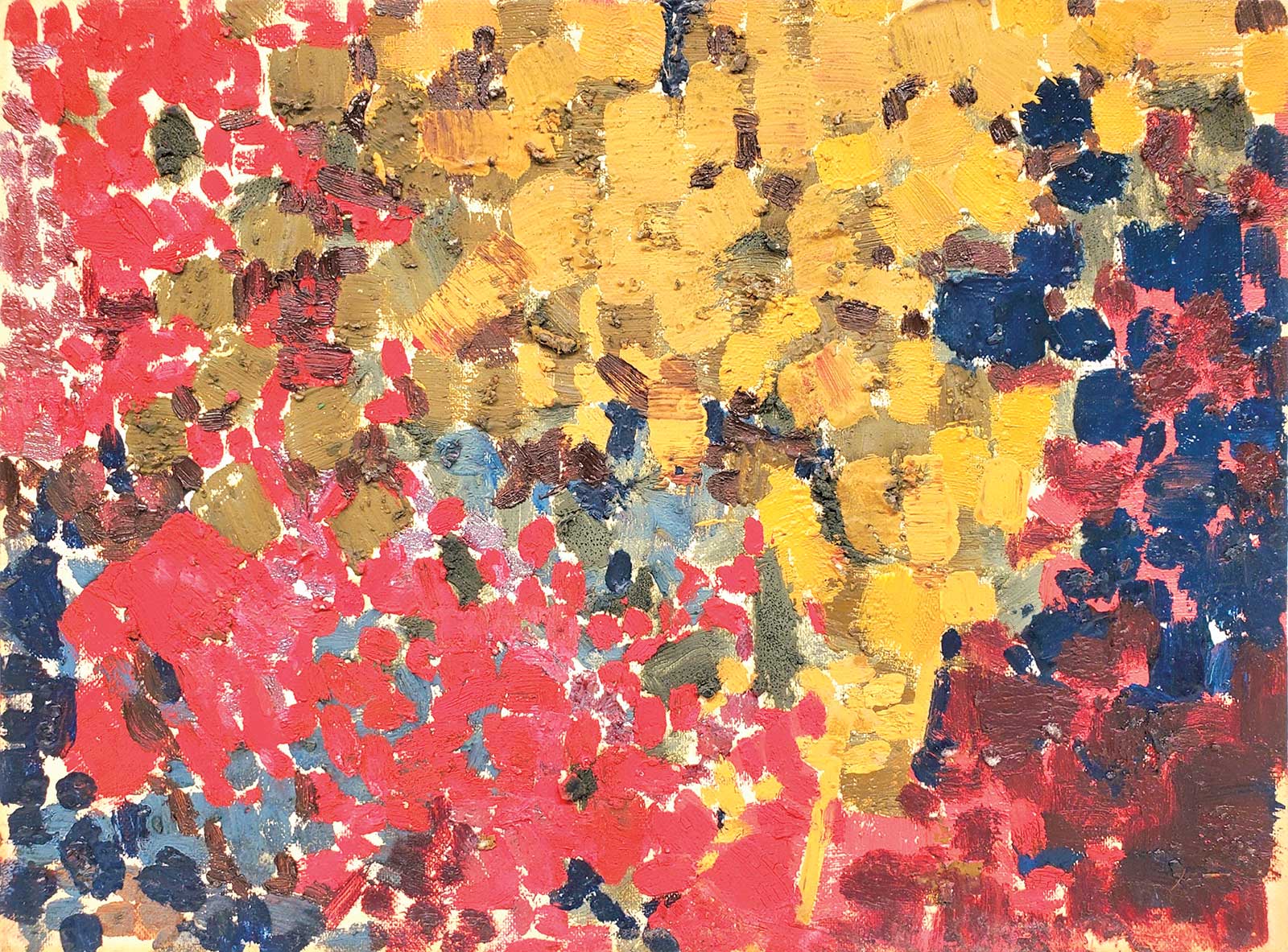
Lynne Drexler (1928-1999), Untitled, 1959. Oil on paper, 9 x12 in.
Kornbluth and Drexler were acquainted later in their careers through their time on Maine’s Mohegan Island and and involvement with its storied artist colony. Kornbluth visited the island for the first time in the late 1950s and spent nearly every summer on the island thereafter. Drexler moved there permanently in 1983.
Whether or not they were aware of one another or if it is apparent in their artwork, these women lived parallel lives and shared commonalities that are only more pronounced and profound in hindsight. Alexander says, “Lynne Drexler, Frances Kornbluth and Judith Lindbloom proved to have the tenacity to overcome obstacles as female artists (or women in any profession) during the ‘50s and ‘60s. They possessed a deep, steadfast and overriding commitment to art. The resurgence of interest in the women of abstract expressionism has brought many of these artists out of the shadows with a new sense of discovery and a deeper appreciation of their contributions within the history of American art.” —
Powered by Froala Editor